
Telstra's CEO shortlist

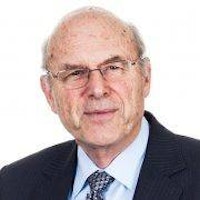



My comments yesterday that Future Fund chairman David Murray should get inside the Telstra tent by joining its board caused considerable controversy. And that controversy underlined the deeper issues linked to the imminent Telstra board decision of who should be the new Telstra CEO.
So today I will look at the candidates that have been subject to wide speculation, with the help of a person close to Telstra who is not part of the company. There are four clear local candidates, plus an outside chance. There appears to be one overseas candidate. I want to emphasise that my remarks on each local executive are not designed to favour any one of them. Accordingly, I will list them in alphabetical order. Telstra is fortunate that most of its top executives stayed around for the Trujillo era knowing that Trujillo and his team would leave and the Australian Telstra executives would then have a shot at the top job.
The five known candidates are Bruce Akhurst, David Moffatt, John Stanhope, David Thodey and Kim Williams.
Bruce Akhurst heads Sensis which is a key Telstra profit power house, though it has a large legacy business which is likely to show cracks in coming years. However, the Sensis operation will be vital in the future development of the Telstra customer base. Akhurst is a lawyer who inspires loyalty, has an excellent grasp of issues and would be a good government negotiator. His successful China adventure gives him an international perspective.
David Moffatt has the best pedigree of any of the candidates because he went from being finance director to the operational area at the customer coal face. Behind his smiling face, Moffatt has a hard business edge and is probably the toughest of the candidates with clear views on the value of the customer base. In government inspired newspaper leaks hinting at who is likely to become the next Telstra CEO, Moffatt is usually left off. Canberra does not want him to get the job.
John Stanhope, as finance director, would be a very safe bet. He has done an excellent job communicating Telstra's financial situation to institutions. He would complete the internal changes started by Sol Trujillo and would do a deal with the government, which he would sell well to institutions.
He might not inspire as much as would some of the others, but because he is older he may have a shorter term in office which would cause more of the Telstra talent base to hang around. If one of the other candidates is chosen many of those passed over are likely to be head-hunted.
David Thodey is a good operator who is seen as the most likely to compromise with the government. That's why all the government inspired newspaper leaks have him as the hot favourite for the job. Appointing Thodey will reverse much of what Trujillo stood for in the government arena, but given the state of national broadband network plans that may be what is needed. Thodey has a clear vision of how broadband will change Australia and understands how to promote it.
Kim Williams is the rank outsider, but was mentioned in early speculation so is on the list. As the head of Foxtel, which is 50 per cent owned by Telstra, has shown he can run a smaller operation very well and Foxtel subscriptions have been excellent in the recession. Putting him charge of an operation as complex as Telstra would be a risk, but he would be bring innovation to Telstra content and is a good executive.
Whoever wins is going to first deal with the government, but then must really drive the opportunities that come from the Telstra customer base, because in future that will be the group's major asset. They also need to return excitement to the share price which is what David Murray is all about. But no matter who is chosen, it will represent a big change for the company.
I suggested David Murray as chairman because he, more than anyone else, would do the best government deal for Telstra and would help inspire the market, to the benefit of Telstra shareholders.
But there is an opposing view. It would be difficult for a sovereign wealth fund to take up a board seat, let alone the chair, because of the obvious conflicts of interest that exist between the government and the major Telco that it regulates.
Telstra shareholders would be uncomfortable having the government in the boardroom. Also, the fund is a declared eventual seller of its Telstra shares – it has been free to sell them since late last year, so its nominee's power base would diminish as it sells down.
In my view, although David Murray may not want to go on the board, he has the talent to separate the conflicts and it's a lot better than what has been happening in the last few weeks.





 Call 1300 880 160
 Start a chat
 Schedule a call










